Masonry cleaning
$100 off masonry cleaning and efflorescence removal in Syracuse
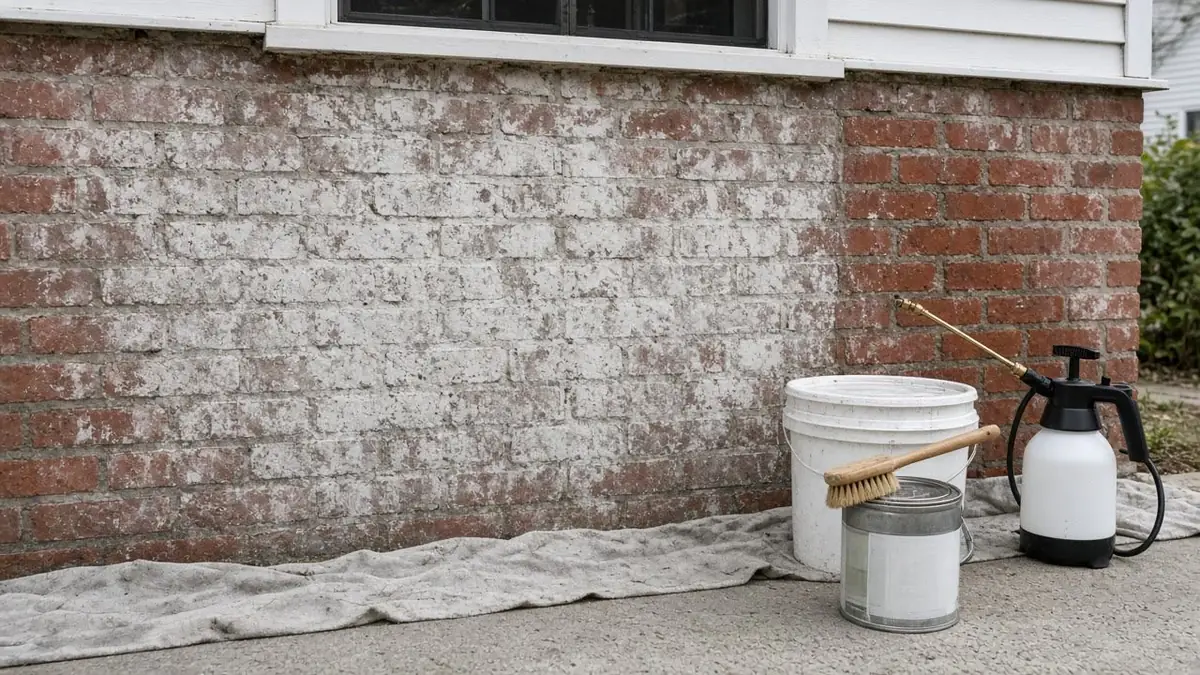
Take $100 off your first job, then describe what you see and we scope the masonry cleaning in Syracuse: white streaks on brick, a hazy patio, green growth on a stone wall or a sealer that went cloudy. We connect you with a local masonry contractor. The first job is a diagnosis, because the wrong cleaning or the wrong sealer can make masonry worse. Most of what looks like dirt is not, and the difference changes the price.
- No obligationAsking for a price does not commit you. You can walk away after you hear it.
- Onondaga County focusThe projects and soil notes here fit Syracuse and nearby towns.
- Honest timing adviceIf your job belongs in spring, we say so early.
Tell us about the project
By sending this you agree to the terms and privacy policy. Prefer to talk? Call (315) 640-3590.
The Masonry Services Syracuse promise
- Asking for a price is free and never obliges you.
- We charge you no fee for scoping or the introduction.
- Your $100 credit follows the Terms, line for line.
- If an introduction goes wrong, we help put it right.
The masonry falls under the contract you sign with your mason.
When masonry cleaning fits
White salt on brick or stone
A pale crust or powder on a wall, a chimney chase, a step or a veneer skirt. It is efflorescence, and the date of the build tells you a lot about what it means. The salts usually come from materials in contact with the masonry, such as mortar, concrete or soil, so a skirt near the soil line has all three close by.
A hazy or stained patio
Pavers that have dulled, picked up rust or oil marks, or grown moss in the joints. A wash, a joint refill and sometimes a sealer can restore the look. Rust spots under metal furniture and oil from a grill need different cleaners, so say what sat there.
A sealer that clouded over
Milky or blotchy pavers or stone after sealing. This usually means moisture was trapped, and the sealer may have to be removed or re-dissolved. The industry association lists wet joints or surface, a sealer that is not breathable, efflorescence sources under the pavers and a poorly draining base as causes.
Green growth or black staining
Moss, algae and lichen on shaded masonry. Cleaning can be gentle.
Care for new work
A new brick wall can show new building bloom in its first year, and it usually fades as the wall dries. Knowing what to leave alone is part of the service. A sealer put on before the joints and base have dried can turn cloudy.
Efflorescence needs three things at once: soluble salts, water and a pore path out. On brickwork under a year old it is called new building bloom and usually fades as the wall dries. Efflorescence that appears later generally points to water penetration or poor drainage, and a coating applied without stopping the cause can trap salts that spall the brick.
Basis: Brick Industry Association
Quick answers
Questions about masonry cleaning
Still unsure? Call (315) 640-3590 or send the short form.
What is the white powder on my brick?
It is probably efflorescence: dissolved salts carried to the surface by water, left behind as it dries. The salts usually come from materials in contact with the brick, such as mortar, concrete or soil. New building bloom on young brickwork is common, and efflorescence that appears later is often worst in winter.
Will it go away on its own?
On brickwork under a year old, usually yes: new building bloom fades as the wall dries. If it returns or appears after the first year, water is generally getting in and has to be found. Keep a few dated photos so the contractor can see which pattern you have.
Can I just seal it?
Not as the first step. A coating over masonry that still blooms can trap salts under the surface, where they crystallize and can spall the face. Fix the water, clean, let it dry, then think about a breathable sealer.
Why did my sealer turn cloudy?
Usual causes are damp joints or a damp surface, a sealer that was not breathable, efflorescence sources under the pavers and a base that drains poorly. A cloudy sealer may need to be removed or re-dissolved, which is a job for the contractor.
How often does sealing need repeating?
Sealers wear and need reapplying, and the interval depends on use, climate and the quality of the sealer. Most also darken the surface, so test a small spot first. Treat sealing as a recurring maintenance item, not a one-time upgrade.
Is pressure washing okay?
A low-pressure wash with the right cleaner is better. Hard blasting can damage the face of the masonry. The industry also advises against cleaning masonry in freezing weather or when freezing weather is expected.
When is the best time to clean?
Late spring through early fall, when the temperature will stay at or above 40 degrees until the masonry dries. In Syracuse the median window at the closest published threshold (a minimum of 36 degrees) runs roughly May 8 to October 5.
Can you stop the water coming in?
Tracing the source is part of the diagnosis, but repairs to leaking joints, flashing or chimneys are a different job. We scope the cleaning and sealing, and point you to a repair contractor when the wall needs one.
What the work covers
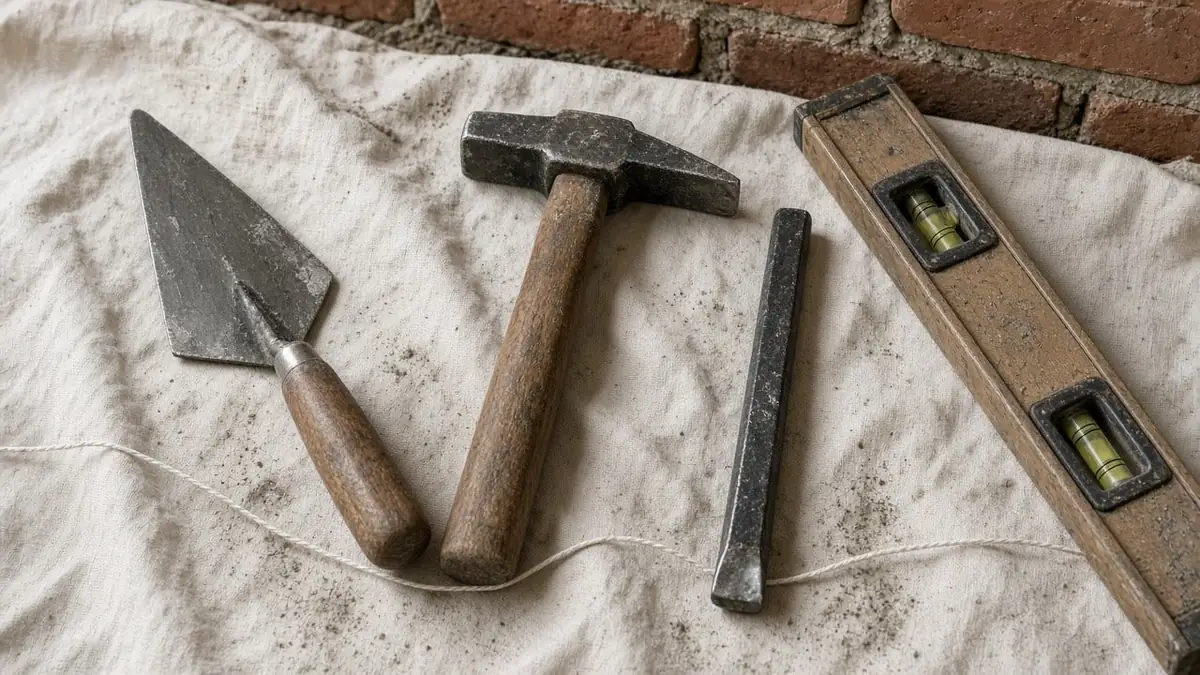
- Diagnosis and dating the bloom Is the salt new building bloom or a sign that water is still getting in? A contractor checks the age of the work, the pattern and the drainage. Photos taken over a few weeks, after rain and after dry spells, tell the contractor a lot.
- Washing and stain removal Low-pressure washing and the right cleaner for the stain: organic growth, rust, oil or salts. Aggressive blasting is not part of this service. Cleaning also looks at the mortar. If joints are open or crumbling, that is a repair, and it has to be handled by a repair contractor. Ask which cleaner is planned and whether it is safe for your stone, since acids can etch some surfaces.
- Joint sand refill and stabilizing Refilling and stabilizing joint sand after cleaning so the surface locks up again.
- Breathable sealing A breathable sealer applied to dry masonry, and removal of sealers that have failed. Sealers wear out and need reapplying, and most darken the surface, so a test patch is sensible.
From salt crust to sealed face
Read the stack from the top down. Ask where each layer appears in the quote.
- The stone, brick or paverThe face that shows the stain. Its pores take in water, and the pores are the path salts travel out through.
- The saltsSoluble salts in the mortar, concrete, soil or sand. Efflorescence needs salts, water and a pore path at once, and the salts usually come from materials in contact with the masonry. Materials under pavers can also be a source.
- The water sourceRain, roof runoff, sprinklers or ground moisture. If it keeps arriving, the salt keeps coming back.
- The sealerA breathable sealer lets vapor out. A coating applied over active efflorescence can trap salts that crystallize inside the masonry and spall brick.
- DrainageThe grade, gutters and base that move water away. A clean wall that stays wet will bloom again.
How the project runs
- Describe and date it
Have photos ready and know when the work was built. On brickwork under a year old, new bloom usually fades as the wall dries. Efflorescence that shows up later generally points to a water problem.
- Find the water
Gutters, grade, sprinklers and joints are the usual suspects. A cleaning that ignores the water is a repeat job. The contractor may recommend small fixes, such as a downspout extension or a regrade, before any wash.
- Clean in the right weather
Water-based cleaning should happen only when the temperature will stay at or above 40 degrees until the masonry is dry, so plan around a dry forecast.
- Decide on a sealer, later
Seal only when the masonry is dry and the water problem is solved. Choose a breathable product and plan to reapply it. A sealer is an appearance and stain-protection choice that needs repeating, and it is a short-lived fix for water.
What moves the cost
The contractor sets the price. These are the things behind it for masonry cleaning.
- Area and height, including ladder or lift access.
- The stain type: moss is simpler than rust, oil or deep salt.
- Whether joint sand must be replaced or stabilized after washing.
- The sealer: product type, coats and drying time, and any removal of an old failed sealer. Stabilizing joint sand is a separate product with a separate purpose from sealing.
- Access to water and a place for runoff to go.
- Weather, since cleaning needs a dry window above 40 degrees.
- Follow-up for any water source that is also found and fixed.
Book here and we credit $100 on your first job.
- We credit $100 toward your first project booked through this site.
- One credit for each household and property.
- Good through December 31, 2026.
- Your mason sets the project price.
The Masonry Services Syracuse promise
- Asking for a price is free and never obliges you.
- We charge you no fee for scoping or the introduction.
- Your $100 credit follows the Terms, line for line.
- If an introduction goes wrong, we help put it right.
The masonry falls under the contract you sign with your mason.
Masonry Services Syracuse(315) 640-3590. Read the full wording
Timing and the weather
Wet cleaning waits for warmth. The industry advises against cleaning masonry in freezing weather and says water-based methods are for when the temperature will stay at or above 40 degrees Fahrenheit until the masonry is dry. In Syracuse the median window at the closest published threshold (a minimum of 36 degrees) runs May 8 to October 5.
Basis: Brick Industry Association, NOAA NCEI
Masonry cleaning in your town
Choose your town for the local view of this job.
City and inner ring
East and west
Ready to price masonry cleaning?
Send one short form or call. Nothing is booked until you say so.