Guide
The Syracuse masonry season, and what a late build must include
Most homeowners ask when the ground freezes. The better question for new masonry is when the nights drop below 40 degrees, because that is where mortar stops curing the way it should. This guide shows how short the Syracuse masonry season is and what to ask when a quote runs past it.
The line is 40 degrees, not freezing
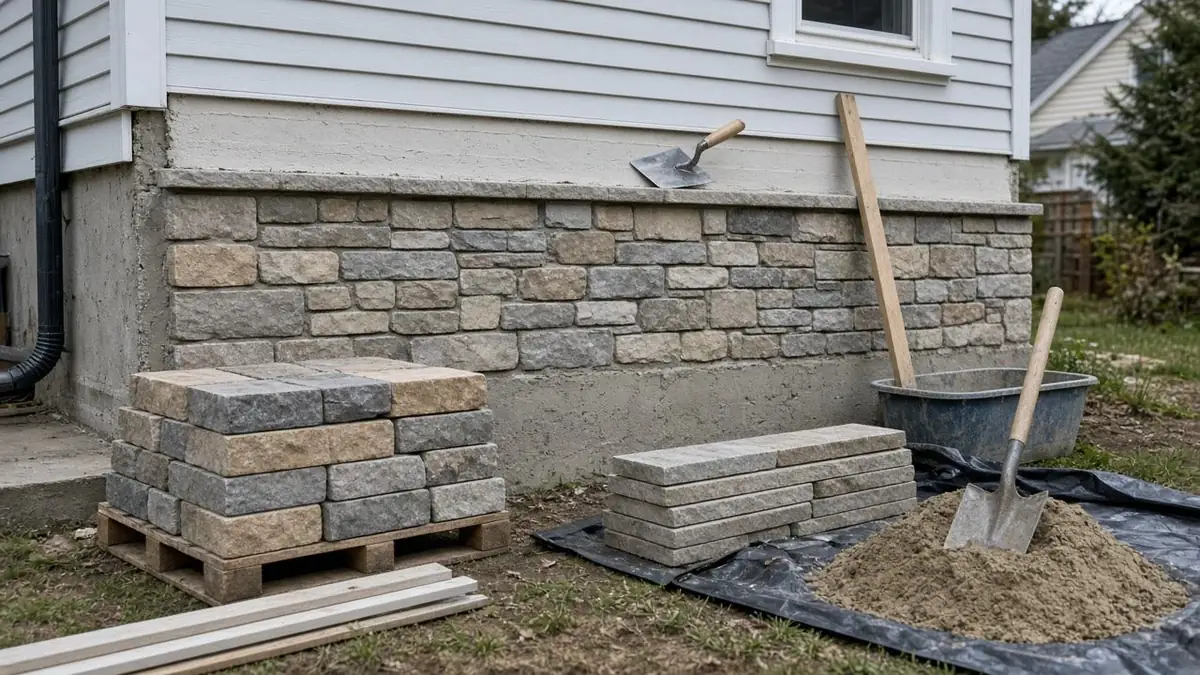
Mortar and grout do not harden by drying. They harden through a chemical reaction between cement and water, and that reaction runs properly only when the material is at 40 degrees Fahrenheit or warmer. The Brick Industry Association explains that the whole point of cold-weather rules is to achieve complete cement hydration. If the mortar is too cold, hydration can be incomplete. The result the industry names is soft, crumbly mortar with less durability.
That is why the masonry specification sets its cold-weather trigger at 40 degrees. It does not wait for freezing. A wall built on a cool, dry afternoon just under 40 degrees can look fine on handover day and still be weaker than the plan assumed.
Freezing is a second, separate problem. Mortar that is wet when it freezes is physically damaged, because the water expands. The specification says mortar with more than 6 percent water content will likely be damaged this way. Ice in the mixing water has to be removed before it goes into the mixer, and sand with frost in it must not be used.
Basis: Brick Industry Association
How long the Syracuse season really is
NOAA's 1991 to 2020 normals for Syracuse Hancock Airport give a median freeze-free season of 173 days, from April 29 to October 19. That is the number most people have in mind, and it looks like almost six months of building.
Forty degrees is a tighter line. NOAA does not publish a 40 degree threshold, and the closest one, a minimum of 36 degrees, puts the median window at 149 days, from May 8 to October 5. That is about five months. In an ordinary year the daily low drops below 40 degrees on about 186 days, which is more than half the year.
The normal low stays above 40 only from May through October, and October only barely, at 42.4 degrees. So a bright October week can feel like summer while the mortar is already working against the clock.
Basis: Brick Industry Association
Planning a job for this season or the next? Tell us the project and the start window, and ask for a price.
October is the turn
October brings about 12.8 nights below 40 degrees and 3.8 at or below freezing. It is also the wettest month of the Syracuse year, with a normal 3.89 inches of precipitation. By November there are 25 nights below 40 and 15.5 at or below freezing.
For you, that has two consequences. First, the comfortable stretch is May through September. Asking in February or March leaves time to settle a start window inside it, while waiting until August pushes the start toward October.
Second, a late-fall job is a different job. It has to be built as a cold-weather job, and priced as one.
Basis: Brick Industry Association
What cold-weather masonry has to include
The specification lays it out in bands. At ambient temperatures from 32 to 40 degrees, the sand or mixing water is heated so the mortar is between 40 and 120 degrees when mixed, and water and aggregates are not heated above 140. When the mean daily temperature is below 25 degrees, new masonry gets insulating blankets or equal protection for a full day, and for two days if it is grouted. Below 20 degrees, heated enclosures or an equivalent keep the work above 32 degrees for at least a full day.
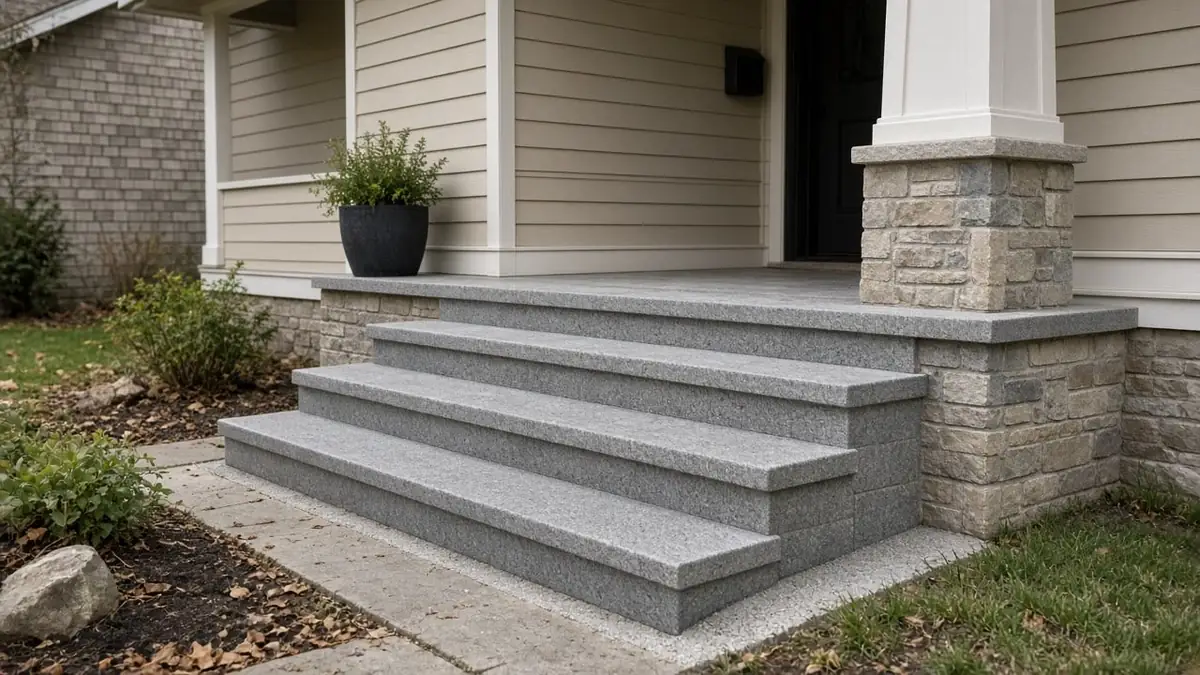
Even the finished wall needs a cover. When the mean daily temperature is at or below 40 degrees, new masonry is covered with a weather-resistive membrane for at least a full day after completion, extending at least 2 feet down each side of the wall. The Concrete Masonry and Hardscapes Association describes special protection for ungrouted masonry in the first day and for grouted masonry in the first two days when temperatures fall below 40 degrees.
All of that costs money: heaters, fuel, blankets, enclosures, labor on cold mornings and slower progress. A bid that includes none of it can look cheaper without being the same job.
Basis: Brick Industry Association, Concrete Masonry and Hardscapes
No antifreeze, and no wet cleaning
Two shortcuts are worth knowing about. The first is mortar antifreeze. The industry guidance says plainly not to use it. Most products sold that way do not lower the freezing point at all. They are accelerators, and masonry that uses accelerators must still be protected from freezing.
The second is cleaning. The guidance is not to clean masonry during freezing weather or when it is expected, and to use water-based cleaning only when the temperature will stay at or above 40 degrees until the masonry is dry. A hot October afternoon followed by a frosty night is not that.
Planning a job for this season or the next? Tell us the project and the start window, and ask for a price.
Footings and bases have their own rules
Masonry rarely stands alone. A fireplace has a footing, and a veneer wall often has a poured base. Fresh concrete freezes if it falls below about 25 degrees Fahrenheit, and frozen concrete can lose more than half its potential strength. It should be kept from freezing until it reaches about 500 pounds per square inch, which takes about two days.
Paver patios have a rule of their own, and it is blunt: frozen base material should not be installed, and nothing should be placed over a frozen subgrade. A patio started on frozen ground falls outside what the specification allows.
What to ask when a quote runs late
If the job will run into October or later, there are four questions worth asking.
- What cold-weather protection is in the price? Ask for heated water, blankets, enclosures and the number of days of protection.
- Who is on site to watch the temperature, and who decides when to stop work?
- What happens to the start date if early freezes arrive? A contract should state a window, with a way to handle delays.
- Would spring be better for this job, and by how much?
In New York, a home improvement contract must state the approximate dates when work will begin and be substantially completed. That is the natural place to ask for a weather window.
Basis: NOAA NCEI
Planning your year around the window
If you want the work done between May and September, the planning runs backward from there. Winter is the time to decide the project, gather two or three written scopes and settle the materials. Early spring is the time to ask for a start window, before the ground thaws.
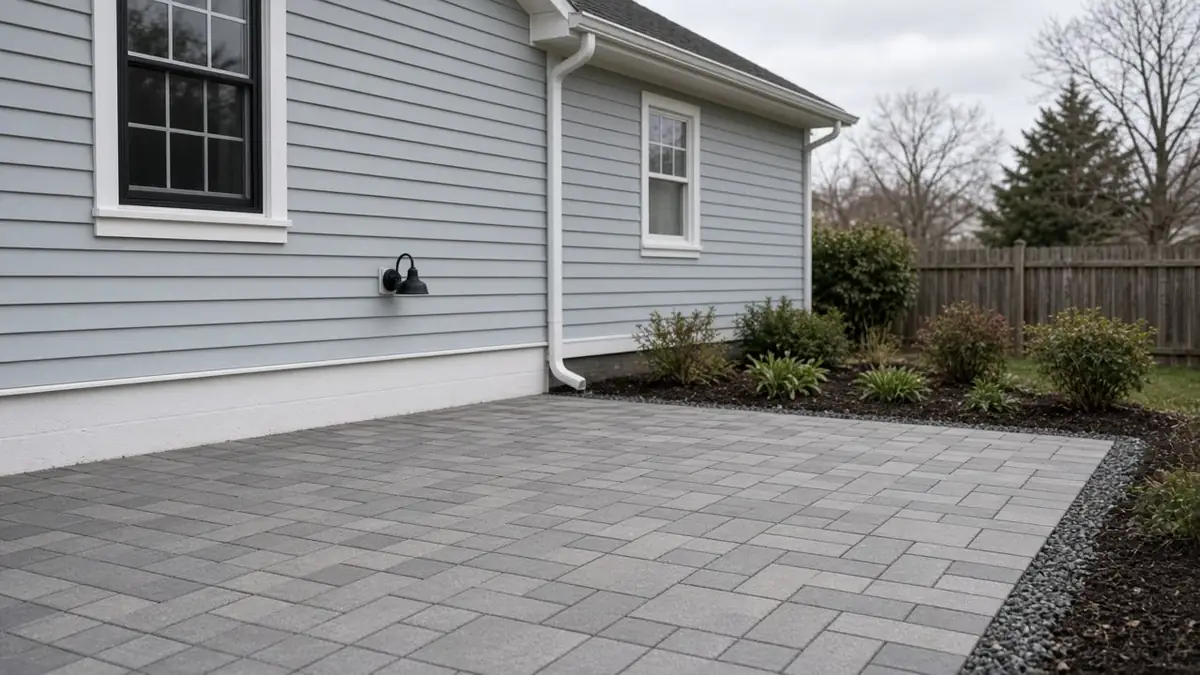
Plan around the soil as well as the air. A paver base cannot be built on frozen ground, and in wet spring ground it may need to dry first. A job set for the first week of May can slip a few weeks in a wet year. Ask for a window rather than a single date, and ask how weather delays are handled.
Basis: Concrete Masonry and Hardscapes, New York State Senate
Planning a job for this season or the next? Tell us the project and the start window, and ask for a price.
When waiting makes sense
Now and then the honest advice is to wait. A veneer wall, a patio or a fireplace built well in May will outlast one built rushed in November. If the timing is wrong for your job, ask the contractor to say so. If you are not ready this season, ask for a price now, hold your spot for spring and use the winter to choose materials.
If you are ready now, the early part of the window is the best part. The stretch from late May through September has the warmest nights, and the normal low stays at or above 40 degrees from May through October.
Book here and we credit $100 on your first job.
- We credit $100 toward your first project booked through this site.
- One credit for each household and property.
- Good through December 31, 2026.
- Your mason sets the project price.
The Masonry Services Syracuse promise
- Asking for a price is free and never obliges you.
- We charge you no fee for scoping or the introduction.
- Your $100 credit follows the Terms, line for line.
- If an introduction goes wrong, we help put it right.
The masonry falls under the contract you sign with your mason.
Masonry Services Syracuse(315) 640-3590. Read the full wording
Projects this applies to
- Stone and Brick VeneerStone or brick facing, with the wall behind it checked.See the project
- Paver Patios, Walkways and Stone StepsPatios, walks and steps, with the base and drainage priced in.See the project
- Outdoor Fireplaces, Fire Pits and KitchensFire pits, fireplaces and kitchens, planned from the footing up.See the project
Ready to price your project?
Planning a job for this season or the next? Tell us the project and the start window, and ask for a price.